Looking back on 2025 at Emotions at Work
A strong finish can make a long, winding road make more sense. We’re ending the year at EAW on a high note, with a sense of accomplishment and forward momentum for the season ahead. In the past few weeks, I’ve leaned back in my chair more than once, slightly bewildered by how well things have unfolded.
For much of the year, though, it didn’t feel that way. It was a year of oscillation, of trying many things, riding highs of ideas and execution, then overthinking, rethinking, restarting. And being frozen for long stretches, too, scanning for threats. These are easy to find when our collective nervous systems are so tightly coiled, there’s little room for learning, let alone breathing.
Whether consciously or not, many of us are living with the implications of shifting beliefs about what makes work meaningful and legitimate. I often found it hard to tell whether one of our moves was a good bet or just a distraction. Oriana is better at remembering what we learned with each attempt, and we are slowly but surely learning to trust that coherence builds through movement and connection. I like to think it sneaks into the room, takes a seat on my shoulder, and waits for me to catch its eye.
So, at this moment in late December, we’re grateful to be able to pause with a clear mind and gratitude for our clients, collaborators, and peers.

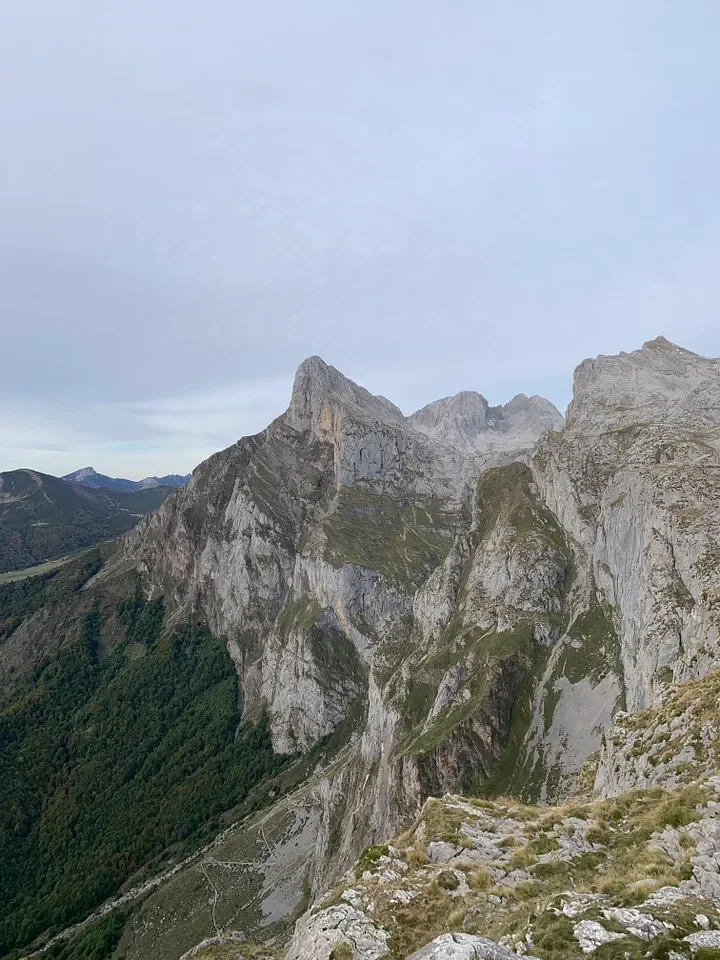
Themes from 2025
We ran the fifth cohort of our flagship program, Navigating Emotions at Work, which tackles the topics of:
Emotions as data
Effective requests and negotiating for what you need
Expectations and trust
Setting boundaries and saying no
Confidence and professional identity
Through this work, we’ve seen a sharp increase in interest in learning how to grapple with other people’s emotions and value systems. At times, this interest is laced with resentment at having to do so, or anxiety about getting it “wrong.” There is a persistent layer of fatigue underneath it all. In response, we see people in our orbits seeking ways to sustain energy and presence, often framed as emotional regulation.
We responded by helping them identify the conditions under which they can—or cannot—stay present, connected, and responsive, both in the moment and as a capacity that can be built and grown over time. It feels important to do this not as an individual self-management challenge, but as something shaped by relationships, roles, and workplace conditions. This will most likely be a theme that we make more explicit in our team development work next year.
Outside of the NEAW program, we explored the emotions of using AI—not Emotional AI, but the emotions of me and you as users of AI tools. We looked at invisible expectations, enthusiasm and what dampens it, and the uneven learning curves people experience. The topic resonated so strongly with our alumni community that we expanded it into our first public workshop, centered on the question: When AI comes up in your team’s conversations, what’s the mood in the room?
While we initially expected these reflections to galvanize experimentation, we came to see that what team leads and individual contributors (ICs) alike needed first was space to form their own perspectives. Quiet time to think for themselves, away from the louder voices of leadership teams and industry peers, proved essential for more grounded engagement with AI at work.
Lastly, we kept returning to the topic of building professional connections in a fragmented workforce. With fewer stable structures and shared paths, many people feel the pressure to be networking and “putting themselves out there.” Beneath this sits a significant amount of emotional work: navigating uncertainty, managing hope and disappointment, and sustaining relationships over time. An opportunity to work with students at Western Washington University prompted us to develop programming around this topic, which we later deepened with our community and with alumnae at Scripps College.

Building Emotions at Work
Alongside the programs and workshops we hosted this year, we invested in the infrastructure of Emotions at Work itself.
A major milestone was the launch of our website. Having outgrown the one-pager focused on Navigating Emotions at Work, we built a site that could house a fuller range of offers, articles and event announcements. It also marked a moment of putting a stake in the ground, with an About page and a mission statement:
We shape more humane worlds of work by co-creating shared frames, portable practices, and provocative questions.
I wrote a bit about that process here and hope you’ll explore the site if you haven’t already.
We also tended to our capacity to sustain the work. This included:
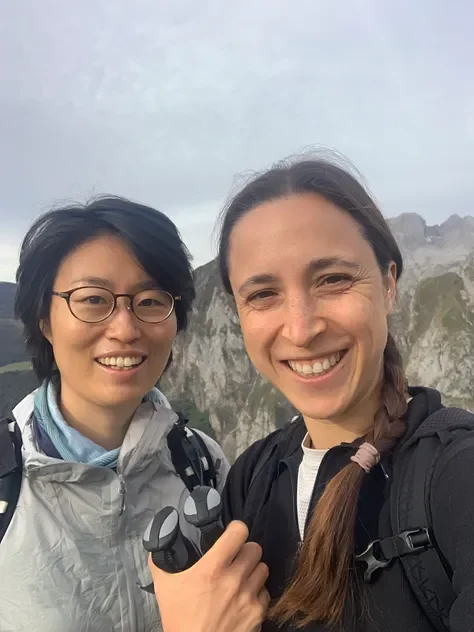
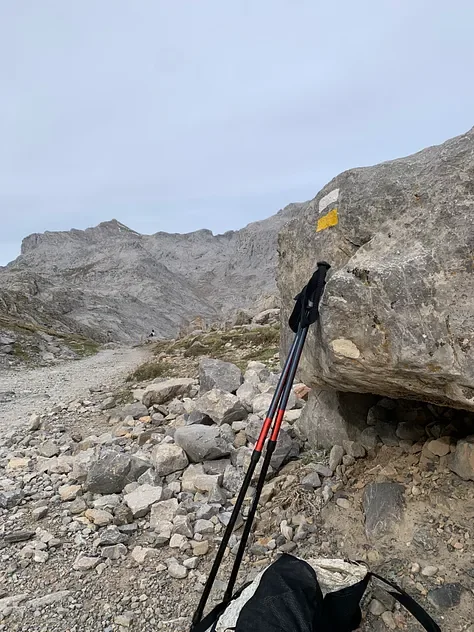
A now-annual hiking retreat, creating time to be in motion and open-ended conversations of possibility
An invite-only session on systems for personal finance, examining how we spend and save, in relation to making money, and the emotions involved in real vs perceived scarcity
New agreements for how we share work and responsibility, aimed at increasing individual agency
A continued commitment to our mastermind group, which Oriana has written about here
And then there are the things that didn’t happen. We didn’t manage to launch a fall cohort of Navigating Emotions at Work. Our podcast is still in the works. And we wrote less than we aspired to. Trade-offs abound.
With that, we’ll close out the year. Thank you for being part of Emotions at Work.
Tomomi (& Oriana)
Next year, we’ll be supporting companies with team development, on topics like feedback, effective requests, and building trust. We’re looking for a few more teams to pilot this work with. Please reach out if it sounds relevant.